


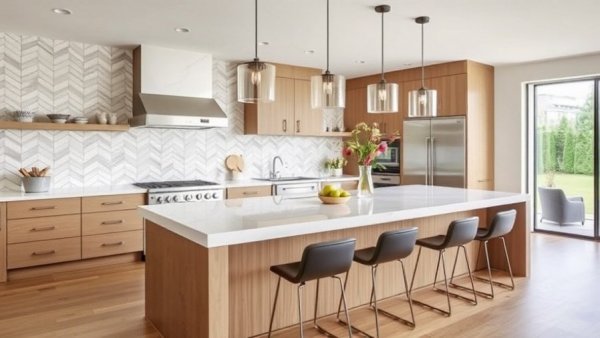
Rethinking the Kitchen Island: Are They Still Relevant?
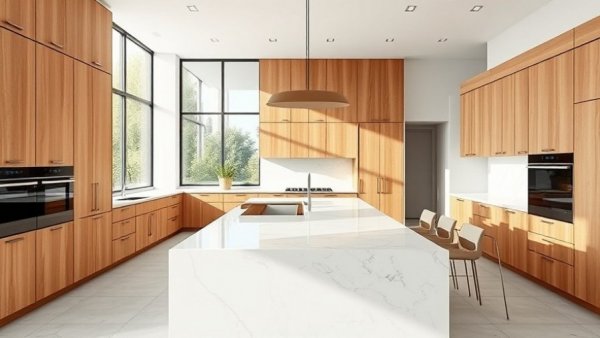
The giant kitchen island has become the emblem of modern interior design, much like the SUV in the automotive world—ever larger, laden with features, but frequently cumbersome. While initially intended as a practical workspace, kitchen islands have expanded to include sinks, dishwashers, wine fridges, and imposing countertops. All these additions can overwhelm the kitchen’s layout, shifting the focus from functionality to the island itself. In such cases, we must ask: have these installations overtaken the kitchen’s intended purpose?
Innovative Alternatives for Modern Kitchens
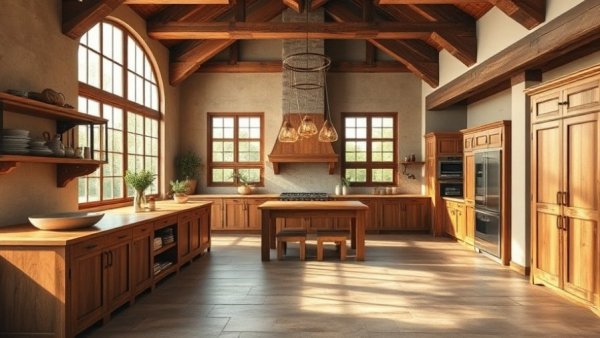
Venturing into kitchen design today means exploring alternatives that encourage movement and social interaction. Instead of a sprawling rectangle, consider features like a horseshoe butcher-block counter that invites guests closer to the cooking action. This design allows for a more engaging preparation space and eliminates the barriers often created by traditional islands. Moreover, options like round dining tables foster communal dining experiences—everyone is facing one another, enhancing conversation and connectivity among family and friends.
Why Less Could Be More in Kitchen Layouts
The predominant sentiment among homeowners is changing; a recent survey indicates that while 73% are still inclined towards island seating, many are entertaining the idea of smaller, multifunctional designs. Instead of occupying half the kitchen with an oversized island, exploring cabinetry along the walls with a small center table can optimize space. This approach highlights essential kitchen functions while keeping the area open and inviting.
Embracing Sustainable and Smart Designs
As we look towards the future of kitchen design, sustainability and technology play a pivotal role. Innovative designs incorporate eco-friendly materials and smart kitchen gadgets that enhance the culinary experience without compromising space. Energy-efficient appliances, coupled with modular structures that adapt to various tasks, exemplify how modern kitchens can marry functionality with sophistication. In 2025 and beyond, such trends will not just beautify our kitchens; they promise to make them worthier of our homes.
Moving Forward: What’s Next for Kitchen Islands?
In conclusion, the question surrounding the functionality of kitchen islands continues to evolve. They are not obsolete, but their role is shifting. Future kitchen designs will likely focus on fluid layouts that promote interaction and efficiency. It’s about liberating space for creativity and connection—kitchen islands have proven they can adapt, but it’s up to us to provide the vision for these transformations.



Write A Comment